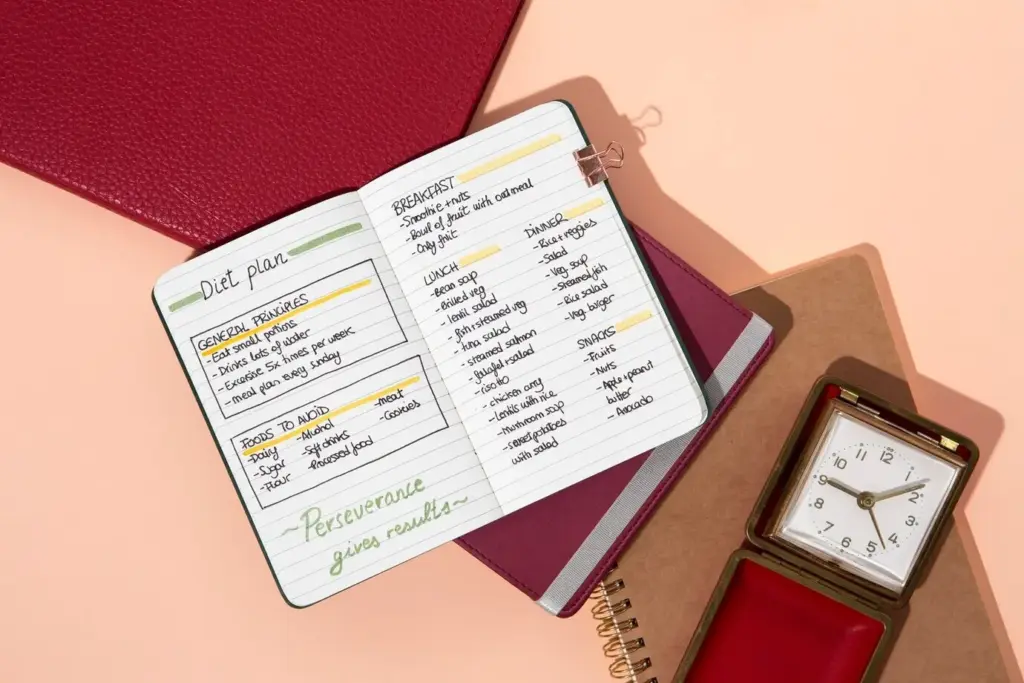
Design Your Daily Choices With Intention

Welcome! Today we dive into Everyday Decision Design, a practical way to shape small choices so they reliably serve your values. Expect simple frameworks, nudges, and micro-habits you can apply before lunch, plus stories, checklists, and invitations to experiment, subscribe, and share your results.

Foundations You Can Use Before Breakfast

Begin by naming the outcome you truly want, the constraints you cannot change today, and the smallest credible next move. Everyday Decision Design thrives on clarity, because ambiguous intentions scatter attention. A short written intention routinely prevents detours, conflict, and unnecessary perfectionism.

Clarify the Real Goal

Ask “why” gently until you reach the purpose that matters in real life, not just the task name. For instance, writing the report may really mean earning trust. When the purpose is visible, trade‑offs become easier, and procrastination loses leverage.

Define a Simple Success Metric

Choose a crisp metric you can check quickly, like “send draft by 4 p.m.” or “prepare three bullet points that reduce risks.” Concrete measures remove vague anxiety, reveal progress early, and allow supportive teammates to help without endless clarification cycles.

Shrink the First Step

Design a first action so tiny it requires less than two minutes and no extra coordination. Send a scheduling link, open the outline, or place the form on your keyboard. Momentum born from completion changes attitude faster than willpower alone.

Choice Architecture in Your Surroundings

Your environment constantly suggests what to do next. By arranging defaults, visibility, and reach, you make the helpful choice feel obvious. Everyday Decision Design favors gentle scaffolding: reduce frictions for good options and add tiny obstacles around temptations without moralizing.

Use If–Then Plans to Outsmart Uncertainty

When X happens, I do Y, immediately. For commuting delays, for tricky emails, for cravings after meetings, decide your response in advance. Implementation intentions turn ambiguity into a trigger for clarity, helping you feel prepared without micromanaging every possible scenario.

Adopt the Two-Minute Gate

If something takes under two minutes, do it now; otherwise, schedule it with a clear next step. This humble gate reduces clutter, exposes hidden dependencies, and prevents small obligations from silently multiplying into stress spirals that steal entire afternoons.

Rituals, Micro-Habits, and Energy Rhythms

Good decisions follow energy, not just calendars. Map your high-focus hours, guard them, and route shallow work elsewhere. Everyday Decision Design honors realistic capacity, building rituals so reliable they survive interruptions, travel, and surprise requests without collapsing your most important commitments.

One-Line Decision Journal

After a decision, jot context, your prediction, and a quick rationale. Revisit weekly. Patterns surface: which cues mislead you, which people enhance judgment, and how confidence shifts. Writing removes hindsight bias, teaching future you to design conditions that yield wiser choices.

Tiny Dashboards You’ll Actually Check

Limit metrics to a handful you can capture effortlessly: sleep hours, deep-work blocks, walks, and completed deliveries. Visualize with simple marks, not complex charts. When tracking is easy and visible, feedback feels encouraging, inviting experimental adjustments instead of defensive self-critique.

Collaborative Decisions at Home and Work

Shared Defaults Beat Negotiations

Agree once on routine decisions: where files live, when to reply, what “urgent” means. Defaults prevent aimless back-and-forth. When an exception appears, acknowledge it explicitly, then return to the default. This rhythm preserves goodwill while keeping momentum visible to everyone.

When to Escalate vs. Decide Locally

Agree once on routine decisions: where files live, when to reply, what “urgent” means. Defaults prevent aimless back-and-forth. When an exception appears, acknowledge it explicitly, then return to the default. This rhythm preserves goodwill while keeping momentum visible to everyone.

Invite Friction in the Right Place

Agree once on routine decisions: where files live, when to reply, what “urgent” means. Defaults prevent aimless back-and-forth. When an exception appears, acknowledge it explicitly, then return to the default. This rhythm preserves goodwill while keeping momentum visible to everyone.

Foheloxeninupuxupu
Privacy Overview

This website uses cookies so that we can provide you with the best user experience possible. Cookie information is stored in your browser and performs functions such as recognising you when you return to our website and helping our team to understand which sections of the website you find most interesting and useful.