
Smarter Carts, Happier Plates

Today we explore applying behavioral economics to grocery shopping and meal planning, turning ideas like anchoring, defaults, present bias, and choice architecture into concrete, kitchen-tested habits. Expect friendly experiments, honest stories, and tools you can use immediately, from your list to your leftovers. Bring curiosity, a pen, and a reusable bag; we will turn psychological insights into simple nudges that protect your budget, reduce waste, and make dinner decisions feel lighter and more joyful.

The Psychology of the Aisles

Supermarkets are immersive environments engineered to guide attention, shape decisions, and gently stretch baskets. Understanding the layout, lighting, music tempo, and shelf placement transforms wandering into intentional movement. When you recognize choice architecture at work, you regain agency, turning towering displays into navigational landmarks rather than silent persuaders. We will translate these observations into easy tactics that keep your plan intact and your cart aligned with your values, even when the endcaps glimmer and samples whisper your name.

Pre-Commitment with Smarter Lists

Design a List That Decides for You

Create categories mirroring your store’s flow: produce, proteins, grains, dairy, pantry, household, and flex. Under each category, pre-select defaults, like frozen spinach, canned tomatoes, or brown rice. Include quantities and backup options to prevent last-minute derailments. A flex line captures spontaneous discoveries, limited to one or two items, keeping novelty intentional rather than random. When a display dazzles you, check whether it replaces a flex slot; if not, photograph it and revisit next week.

Implementation Intentions at the Shelf

Use if-then plans to steer moments of choice. If the cereal aisle feels overwhelming, then compare only the top three options by fiber and unit price. If a multi-buy screams value, then check your calendar to verify consumption before a sale ends. If hunger hits, then pause for a planned snack. These small cues automate wise behavior under pressure, helping you conserve energy for cooking decisions later, when your future self will benefit the most.

Budget Guardrails and Mental Accounts

Mental accounting can work for you. Set envelopes for essentials, fresh produce, proteins, and extras, whether physical envelopes or app-based tags. Track in-cart totals by rounding up prices to create a buffer. When extras threaten the envelope, a simple rule redirects you: remove two lower-value impulse items before adding one pricier upgrade that elevates multiple meals. This reframing emphasizes meal impact over momentary attraction, letting you splurge strategically without undercutting the rest of the week’s plan.

Sunday Prep as a Default

Treat Sunday prep like brushing your teeth: routine, brief, and essential. Aim for ninety minutes to cook a grain, roast a protein, chop a rainbow of vegetables, and mix a versatile sauce. Store elements in clear containers at eye level. Label leftovers by “ready in minutes” value, not just dates. By making components visible and accessible, you tip the balance toward home-cooked meals when energy is low, turning Tuesday into an assembly rather than a battle.

Variety Bundles, Not Chaos Buffets

Choice overload sabotages good intentions. Build variety bundles that produce many meals from few parts: one grain, two proteins, three vegetables, a crunchy topping, and a contrasting sauce. Write three quick meal formulas on your fridge using those parts. When hunger arrives, you assemble rather than decide from scratch. This reduces cognitive tax without sacrificing flavor. You still enjoy novelty, but within a system that gracefully contains it, saving money and rescuing weeknight morale.

Unit Price Truth Serum

Unit prices cut through marketing fog by normalizing costs across sizes and brands. Focus on cents per ounce or per hundred grams, and keep a tiny reference note on your phone for staples. Beware decoy sizes that seem economical but invite waste. When you cannot finish a jumbo container before it stales, the cost per usable serving climbs. By centering unit price and realistic consumption together, you protect both your wallet and your food’s destiny.

Multi-Buys and the Sunk-Cost Trap

“Two for $5” often nudges you to grab more than needed, then feel compelled to eat quickly to justify the purchase. Guard against this by planning specific meals for each extra unit before buying. If no clear use appears, take one at the sale price when allowed or skip entirely. Redirect savings toward quality staples that improve many dishes. This approach converts promotional noise into targeted value, preserving flexibility without feeding the guilt machine of sunk costs.

Framing, Rounding, and Perceived Value

Prices ending in .99 seem cheaper than rounded ones due to left-digit bias. Pair this with a comparison anchor, and you may overestimate savings. Reframe by rounding up in your head and asking whether the difference changes your meal plan. When a premium product replaces three lesser ones across the week, consider it an upgrade rather than an indulgence. Clarity emerges when you relate price to planned outcomes, not to clever signage or cleverer decimals.

Reading Prices Like a Behavioral Scientist

Price tags speak a persuasive dialect, using anchors, decimals, and multipack language to shape perception. Train your eye to seek unit prices, compare like with like, and ignore decorative savings that hide higher costs. Decide in advance which items deserve premium status and which remain commodities. This partition prevents cascading upgrades. Recognize that the best deal is the one you actually use completely. Without that anchor, discounts drift into clutter, and savings dissolve into forgotten pantry corners.

Nudges for Nutrition and Less Waste

Health goals and waste reduction flourish when small, visible cues align with weekly plans. Showcase produce, pre-portion snacks, and celebrate leftovers as ready-made building blocks, not afterthoughts. Use smaller plates to temper unit bias, and keep a “use-first” bin that spotlights delicate items. Treat your freezer as a savings account for surplus. Simple systems invite better choices without scolding, proving that supportive design and compassionate planning can deliver nourishment, savings, and environmental respect simultaneously.

Helpful Tech and Gentle Automation

Calendar Nudges and Planning Prompts

Place recurring calendar events for list drafting, fridge triage, and a brief prep window. Attach checklists so you never start from zero. Link recipes to the event notes and add a reminder to thaw proteins. When the alert pops up, it reframes planning as a tiny task rather than a looming project. These gentle prompts beat willpower contests, helping you rehearse success weekly until the process becomes lighter, almost automatic, and genuinely satisfying to maintain.

Collaborative Lists and Shared Carts

Place recurring calendar events for list drafting, fridge triage, and a brief prep window. Attach checklists so you never start from zero. Link recipes to the event notes and add a reminder to thaw proteins. When the alert pops up, it reframes planning as a tiny task rather than a looming project. These gentle prompts beat willpower contests, helping you rehearse success weekly until the process becomes lighter, almost automatic, and genuinely satisfying to maintain.

Subscriptions: Defaults that Deserve Oversight

Place recurring calendar events for list drafting, fridge triage, and a brief prep window. Attach checklists so you never start from zero. Link recipes to the event notes and add a reminder to thaw proteins. When the alert pops up, it reframes planning as a tiny task rather than a looming project. These gentle prompts beat willpower contests, helping you rehearse success weekly until the process becomes lighter, almost automatic, and genuinely satisfying to maintain.

Experiments, Stories, and Community
A Three-Week Field Test You Can Try

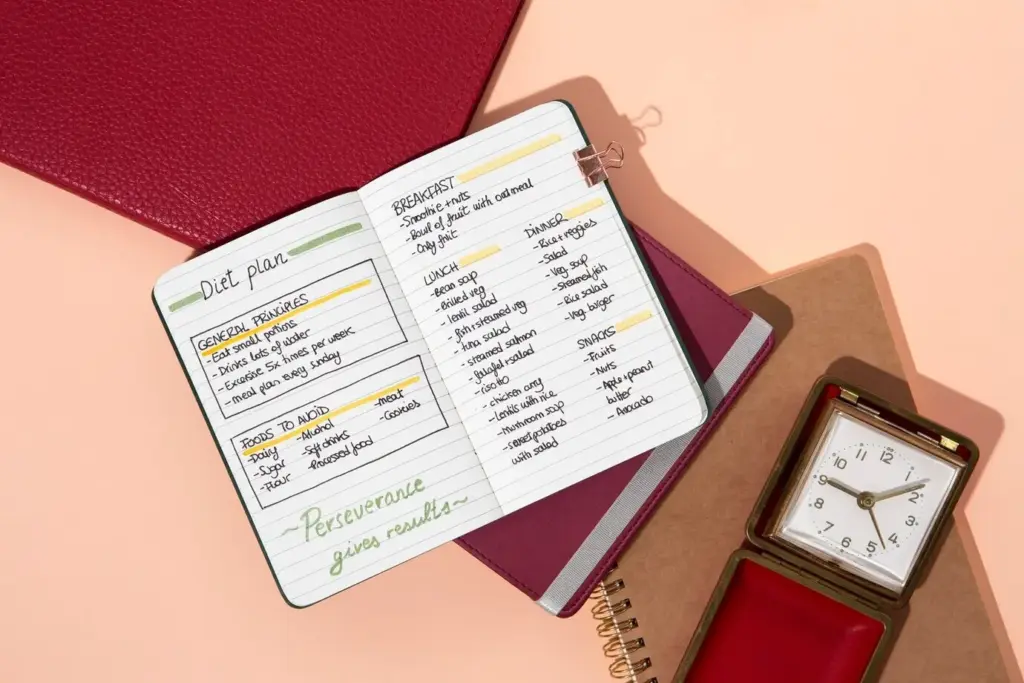
Week one, redesign your list with categories and one flex slot; record impulses resisted and impulses chosen. Week two, batch-prep core components and label a use-first bin; track waste avoided. Week three, compare unit prices and test multi-buy restraint. Each week, note mood, savings, and mealtime ease. This playful structure turns insights into habits faster than reading alone. Report back with photos or notes; your experience can inspire someone else’s next small, sustainable win.

Compare Notes and Celebrate Micro-Wins

Post your favorite nudge in the comments and tell us where it worked: the cereal aisle, the freezer section, or your own fridge. Did implementation intentions save you from a pricey promotion? Did prep make midweek feel calmer? Share screenshots, tweaks, and honest misses. We will highlight community strategies in future posts, crediting contributors. Collective wisdom reduces friction for everyone, turning shopping and cooking into a supportive, shared project rather than an isolated, exhausting chore.

Keep the Momentum with Cues and Rewards

Attach tiny rewards to completed routines: play a favorite song during prep, light a candle at dinner, or check off a simple tracker. Tie cues to existing habits, like making coffee before drafting your list. When life derails you, restart with a single easy win, such as washing greens or cooking a pot of rice. Consistency grows from compassion and design, not perfection. Subscribe for weekly prompts and printable tools that keep the groove going gracefully.
Foheloxeninupuxupu
Privacy Overview

This website uses cookies so that we can provide you with the best user experience possible. Cookie information is stored in your browser and performs functions such as recognising you when you return to our website and helping our team to understand which sections of the website you find most interesting and useful.