




Compare two realistic approaches that reduce stimulation: power down screens an hour before bed, or keep devices but install aggressive blue‑light filters and strict app limits. Track time‑to‑sleep, nighttime awakenings, and morning clarity. Let the quieter strategy win, even if it feels mildly inconvenient initially.
Experiment with temperature cues that nudge sleepiness. One variant cools the bedroom and uses a light blanket; the other enjoys a warm bath then allows a gradual drop. Observe subjective drowsiness, restlessness, and dream recall. Many sleepers find cooler rooms shorten sleep latency and deepen rest.
Try two pages that clear the head differently. Write three short gratitude lines highlighting specifics, or perform a fast brain dump listing worries and tasks without judgment. Evaluate racing thoughts, nighttime awakenings, and morning decisiveness. Keep whichever helps you close the day with kinder attention.
Eat a protein‑forward breakfast for several mornings, then switch to a comforting carb‑heavy plate with similar calories. Track hunger onset, mid‑morning focus, and afternoon snacking. Notice emotional tone, not just fullness. Many people report steadier energy with protein, though your response might depend on sleep and stress.
Compare three ten‑minute walks after meals with one concentrated thirty‑minute session. Measure joint comfort, digestive ease, and evening restlessness. Post‑meal movement often blunts glucose swings and clears mental fog. Choose whichever pattern best fits your schedule and leaves you feeling lighter, calmer, and pleasantly ready for focus.

Choose a small set of signals before starting: energy during core hours, progress on one meaningful deliverable, and mood stability. Write them somewhere visible. When results conflict, prioritize the metric that actually moves life forward. Comfort alone rarely wins if momentum and joy both suffer.
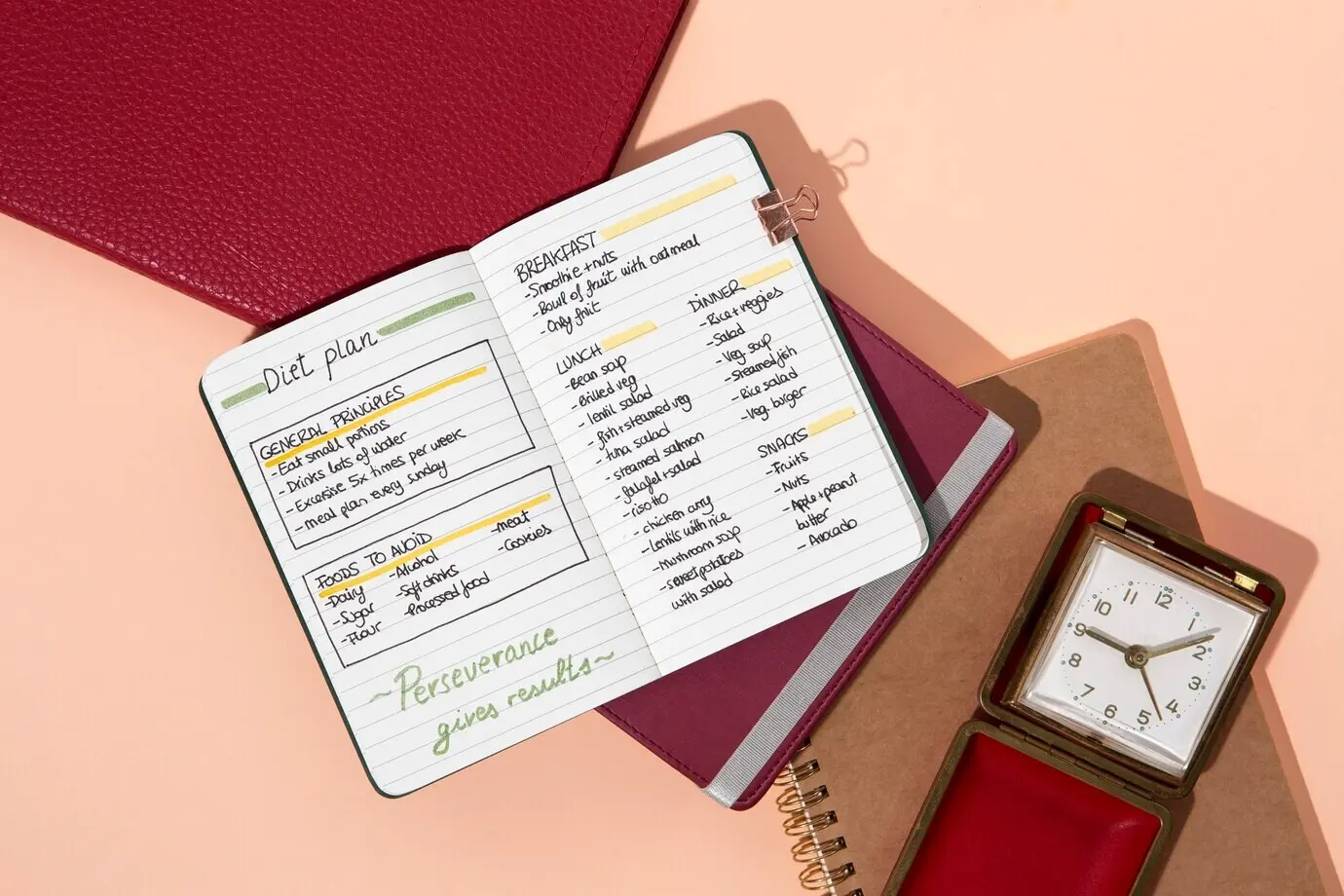
Run each variant long enough to smooth noisy days, ideally a full workweek per side or at least five comparable repetitions. Randomize if you can. Weather, deadlines, and illness skew outcomes. Resist chasing anomalies; stable improvements beat dramatic spikes that disappear under stress.

Post your plan and results publicly or to one trusted friend. Celebrate tiny wins, note surprises, and ask for ideas on the next iteration. Community multiplies courage, and your notes might spark someone else’s experiment. Reply, subscribe, and keep the learning loop alive together.